Weather can’t stop Alaska’s junior alpine racers from chasing speed
ANCHORAGE, Alaska (KTUU) - Alaska’s junior alpine skiers returned to training this week after weather forced delays during last weekend’s Coca-Cola Classic alpine race series at Alyeska.
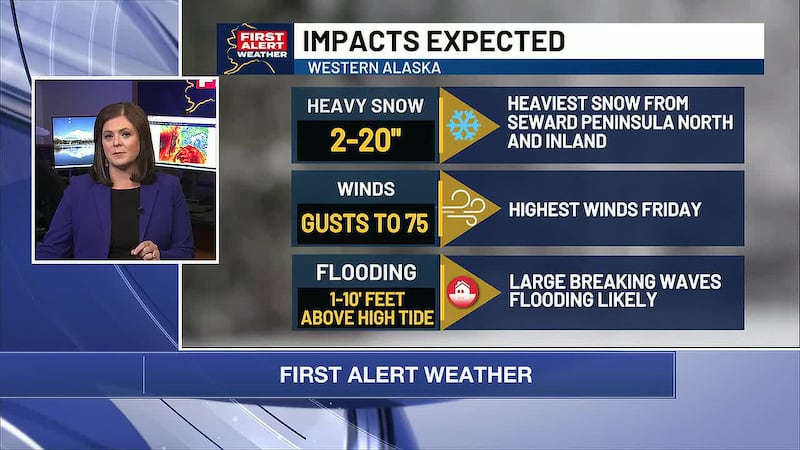
A storm hit South Central Alaska Thursday night and Friday, causing organizers to delay the first day of the 34th annual race. Morgan Haymans, Alpine X head coach, said the weather disruption affected the opening events.
“We had a big storm hit South Central Alaska Thursday night, Friday of this past weekend. That was during our Coca-Cola classic alpine race series. We lost the first day of the event due to weather,” Haymans said.
The resort didn’t open upper mountain lifts until close to 1 p.m. Friday, Haymans said.
Ideal conditions return
By Sunday and Monday, conditions improved to what racers prefer — hard, icy snow that provides consistent racing surfaces.
“It just allows for a more consistent surface for the athletes to race on. It makes it fair for the athletes in the back. You know, the course doesn’t get torn up as much, so they have a chance to, you know, have a good run as well,“ Haymans said.
The races that did happen went well. Wednesday consisted of a training course that both junior skiers and University of Alaska Anchorage athletes skied on.
Training program details
The Alyeska Ski Club manages 120 athletes and 20 coaches, with older athletes training on snow five to six days per week, according to juniors program head coach Connor McDonald.
“If you’re at a competitive level, like our U18s or our college crew, you’re chasing snow year-round. A lot of these kids will do at least a month, month and a half of skiing internationally in the summer,” McDonald said.
“They’ll head over to Europe. They’ll go down to New Zealand, South America ... get as much time on snow as they can because that’s the only way we can really stimulate it.” McDonald added.
Athletes also train in the gym three days per week after on-snow sessions and participate in video review sessions.
Mental training focus
McDonald emphasized the psychological aspects of competitive skiing beyond physical training, noting the club has added sports psychology and nutrition classes this year.
“Skiing is a mental game. You can go all day long, be the fastest person at your home venue, and then you go get your butt handed to you when you travel outside of the state of Alaska... So, we’re really trying to work on the positive mental side of that,” McDonald said.
Weather challenges and advantages
Weather plays a crucial role in the outdoor winter sport. While hard, icy conditions are preferred for racing, visibility becomes challenging during storms or flat light conditions.
Blue dye on training courses helps athletes see contrast in difficult lighting, where visibility can affect performance in a sport measured by fractions of seconds.
Despite December’s cold temperatures, Alyeska Resort’s snowmaking capabilities created good racing conditions, Haymans said. McDonald said the club prefers clear, cold weather over warm, wet conditions.
Upcoming competitions
The Alaska Airlines Speed Race is scheduled for Jan. 26-30, featuring downhill and super G races from the mountain’s top to mid-mountain. The venue hadn’t been used for speed events in 15 years before returning last year.
Freeride athletes will compete Thursday and Friday on Alyeska’s South Face in IFSA two-star junior competitions, with top finishers aiming to qualify for junior national events and the North American Championship.
Championship races begin in March, with younger athletes competing at Mount Bachelor, older athletes at Grand Targhee, Wyoming, and U18 Nationals in New Hampshire.
The Coca-Cola Classic was sponsored by Bill Odom of the Odum Corporation for the 34th consecutive year. McDonald says both athletes and coaches look toward the season with high aspirations and excitement
See a spelling or grammar error? Report it to web@ktuu.com
Copyright 2026 KTUU. All rights reserved.