Restoring a rare piece of Alaska aviation history
The Alaska Aviation Museum is working on one of the few remaining Fairchild 71 airplanes once owned by a pioneering bush pilot
ANCHORAGE, Alaska (KTUU) - Imagine having to fly into the remote corners of Alaska in an open cockpit airplane. Headlong into the wind, rain and snow for your entire flight.
That was the drawback and the reality of early aviation in Alaska.
That is, until the arrival of the Fairchild 71, a Canadian built airplane from 1928 through 1930 featuring a 50-foot wing span, a powerful engine and an enclosed cabin. It could haul six passengers and 3,000 pounds of freight, all without the need for a formal runway. The perfect bush plane. It was credited with opening up the northern reaches of Canada and Alaska.
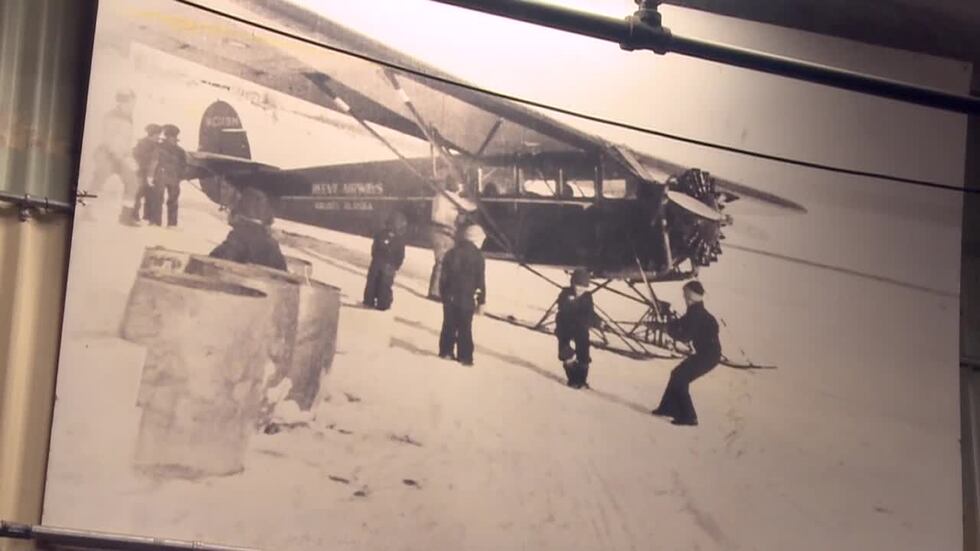
In the Restoration Shop at the Alaska Aviation Museum in Anchorage, work is progressing on a 1929 Fairchild 71. It is one of the few examples of the plane left in the world.
What makes this rare plane even more important to Alaska is that it was owned by pioneer aviator Bob Reeve. The aircraft was used for charter flights out of Valdez to remote gold claims, then during World War II, it was used for running supplies out to work camps for the construction of Alaska-Canada Highway and supply runs out to the Aleutians in places like Cold Bay and Unalaska.
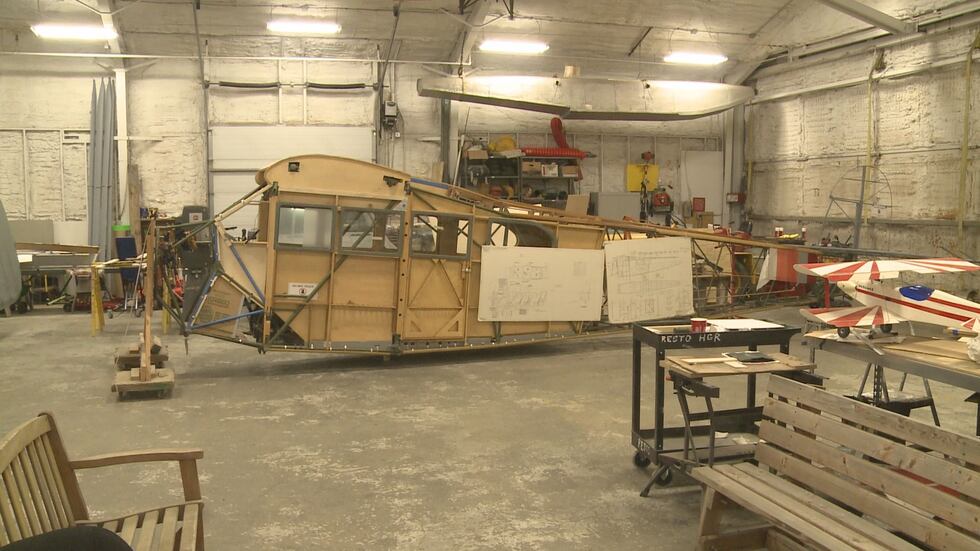
The restoration work on the plane is expected to be done sometime next summer. It will eventually go on static display as a bridge to Alaska’s aviation past.
See a spelling or grammar error? Report it to web@ktuu.com
Copyright 2026 KTUU. All rights reserved.