FBI Anchorage bomb technicians explain their work across Alaska
ANCHORAGE, Alaska (KTUU) - From suspicious devices to aging explosives, FBI bomb technicians respond to hazards in communities across the state, often relying on local partners to reach remote areas and keep people safe.
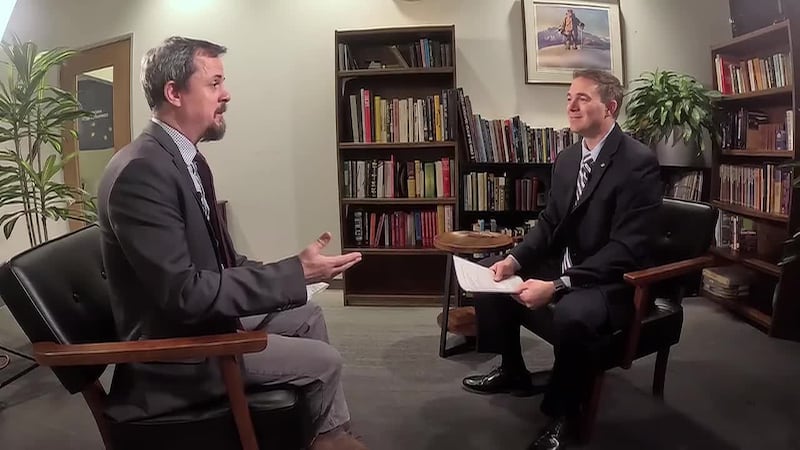
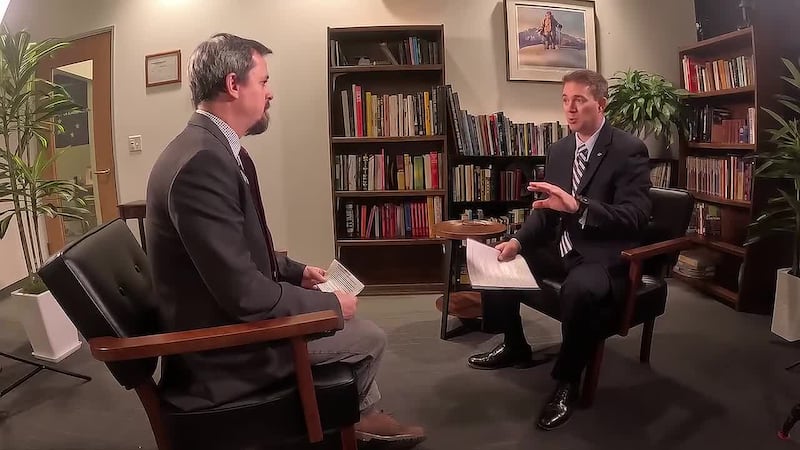
For the third installment of Alaska’s News Source’s monthly interview series with the FBI Anchorage Field Office, Special Agent Bomb Technician Ben Mattson discussed the team’s deployments, training and a recent response to old dynamite on a Southeast Alaska island.
Part 1: FBI Anchorage leadership talks crime drops, winter priorities, and cartel fentanyl pipelines
Part 2: FBI ‘Operation Summer Heat’ leads to 19 arrests, drug seizures and 40-plus firearms in Alaska
Special Agent Bomb Technician Ben Mattson, who works out of the FBI’s Anchorage office, said the U.S. Forest Service contacted the bureau after a member of the public reported finding what appeared to be degraded dynamite on Zarembo Island, part of the Tongass National Forest.
FBI spokesperson Chloe Martin said the team disposed of approximately 50 pounds of dynamite. Mattson described the material as substantially degraded and said it could detonate if disturbed.
The technicians flew south on an FBI plane, Mattson said, and Forest Service personnel helped transport them by land and boat to the island. The team used a drone to check the area before carrying out the detonation, he said. Emergency medical personnel from the Wrangell Volunteer Fire Department were also on hand.
Mattson said the team finished its work and left before a storm arrived. He credited partners including the Forest Service and the Juneau Police Department bomb squad with helping remove the hazard.
The response was among deployments to both urban and rural Alaska over the past year, Mattson said.
“So, in the past 12 months, we’ve deployed 19 times across the state,” Mattson said.
He listed Anchorage, Wasilla, Valdez, Haines, Seward and Zarembo Island among the places the team has responded. He did not specify how many distinct locations those 19 deployments covered.
Getting personnel and equipment to communities off the road system can be difficult, particularly when supplies cannot travel on commercial flights, Mattson said.
“We surmount that challenge oftentimes with the help of our partners, whether it’s the state of Alaska, the Coast Guard, the military,” he said.
Mattson said the team handles a range of calls, including improvised explosive devices and old dynamite. Alaska’s mining history has left explosives in locations across the state, he said, and some may remain undiscovered.
Training is central to the job, Mattson said. He described recent joint exercises involving the Anchorage Bomb Squad and the Army’s 716th explosive ordnance disposal unit, with an emphasis on coordination and evidence collection.
“It’s critical. And without it, we wouldn’t be able to succeed in the real world,” he said of training.
Anyone who encounters something they suspect could be explosive should keep their distance and report it to the FBI or local authorities, Mattson said.
“That said, don’t touch it. Don’t let anyone else touch it,” he emphasized.
Mattson also said people can provide a photo if they can do so without putting themselves in danger.
See a spelling or grammar error? Report it to web@ktuu.com
Copyright 2026 KTUU. All rights reserved.