State continues Whittier voter misconduct prosecutions despite landmark U.S. Supreme Court citizenship ruling
ANCHORAGE, Alaska (KTUU) - The State of Alaska is doubling down on its criminal prosecution of nine American Samoan residents in Whittier, opposing a motion to dismiss that argues a landmark U.S. Supreme Court ruling makes them U.S. citizens.
The development comes as members of the Pese family remain caught in the state’s slow-moving legal system. A discovery hearing for Michael Pese — who filed the initial motion to dismiss in Anchorage Superior Court — was scheduled for this week, though representation for the family said they expect little progress as these hearings have repeatedly been rescheduled.
In a court filing on Aug. 4, state prosecutors formally opposed Pese’s motion to dismiss the felony voter misconduct charges. Pese’s defense team argued that under the recent U.S. Supreme Court decision in Trump v. Barbara, anyone born on U.S. soil—including U.S. territories like American Samoa—is constitutionally a U.S. citizen under the Citizenship Clause of the Fourteenth Amendment.
However, state prosecutors did not address the Barbara precedent or analyze the constitutional text of the Citizenship Clause in their response. Instead, the state argued that it is legally sufficient that Congress has historically designated individuals born in American Samoa as “nationals, but not citizens, of the United States.”
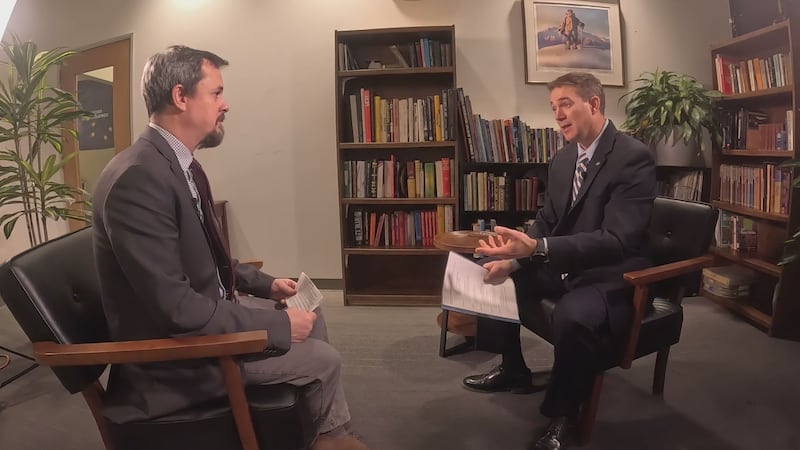
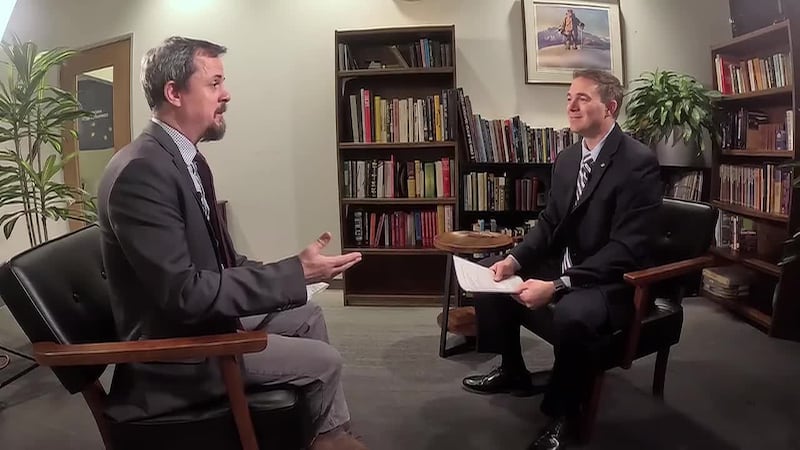
Neil Weare, co-director of the Right to Democracy Project and defense counsel for the family, expressed surprise at the state’s filing in an interview with Alaska’s News Source.
“The U.S. Supreme Court earlier this summer ruled pretty clearly on this question... that anyone born on American soil who’s subject to American law is in fact an American citizen,” Weare said. “And yet the state of Alaska continues its prosecution. We don’t know what the state thinks about the Supreme Court’s argument in Barbara because they didn’t actually address it at all in their court filing... So, the basis for this very aggressive prosecution of American Samoan community in Alaska remains unclear.”
A family under fire
Pese is one of nine remaining Whittier residents, related by blood or marriage, facing felony charges of first-degree voter misconduct, perjury, and unsworn falsification. The state alleges they improperly marked themselves as U.S. citizens on state voting forms.
As Weare explained, the criminal prosecutions have taken a heavy emotional toll on the family. Pese previously shared that the legal battle cast a shadow over the final days of his mother, Miliama Suli, who was also charged. Weare highlighted the state’s aggressive posture during this period.
“They would not drop the charges until after she had died, which is just astonishing behavior from the state,” Weare said.
Before her passing, Pese described the toll on his mother. “As cancer weakened her body, she was forced to worry about whether her kids might go to jail and what would happen to her grandchildren if they did,” Pese said in an earlier statement. “We have gone from feeling like valued members of the community to feeling like unwanted criminals. This is not just wrong, it’s unconstitutional.”
The charges stem from a September 2024 investigation where Alaska State Troopers went door-to-door in the Begich Towers Condominium — the residential complex where most of Whittier’s population lives — asking residents about their citizenship status following a complaint about noncitizen voting.
Pese told investigators he was a U.S. national and produced his passport, but explained that local DMV officials told him voter registration forms lacked a “U.S. national” box and directed him to check “U.S. citizen” instead. During grand jury testimony, a state investigator admitted the distinction between a citizen and a national was “clear as mud.”
Rising constitutional clash
The legal battle in Whittier comes amid a shifting national landscape on birthright citizenship. While the Barbara ruling affirmed that birth on U.S. soil grants citizenship, political figures including Vice President JD Vance have openly questioned birthright citizenship. President Trump’s recent executive order on birthright citizenship has heightened local anxieties by specifically singling out American Samoans.
“The stakes of all this and the visibility on this has maybe increased over the last week with President Trump’s new executive order... actually singling out people born in American Samoa for not recognizing them as citizens, kind of lumping them in with people who are parts of terrorist organizations or birth tourism,” Weare said. “It’s really troubling to see it singling out the American Samoan community in this way.”
Defense attorneys argue that the State of Alaska is ignoring binding federal precedent and choosing criminal prosecution over administrative solutions. Weare noted that states like Oregon and Hawaii had faced similar registration issues but handled them through administrative policies rather than criminal charges.
“Alaska seems to be pushing ahead with prosecution first and not really focusing on what are the administrative or other policy solutions that might exist for these issues,” Weare said. “Caught in the middle, of course, is this family who are just trying to live their lives in Whittier... and contribute to their community.”
Alaska’s Department of Law has consistently maintained that voting in state and local elections is a right strictly reserved for citizens. Deputy Attorney General John Skidmore previously defended the prosecutions, stating, “Voting is a right of citizenship. To be clear, you must be a citizen to vote in Alaska in any election—federal, state, or local.”
Next steps in court
The defense plans to file its reply brief to the state’s opposition in the coming weeks. Weare anticipates oral arguments on the motion to dismiss could occur later this fall, with a court decision likely coming sometime in 2027. Meanwhile, the defense is also waiting on a critical ruling from the Alaska Court of Appeals regarding the question of criminal intent.
Alaska’s Department of Law was reached out to for comment regarding why their opposition filing did not address the Trump v. Barbara precedent and why the state is pursuing criminal prosecution over administrative remedies. The department did not respond to requests for comment in time for publication.
See a spelling or grammar error? Report it to web@ktuu.com
Copyright 2026 KTUU. All rights reserved.